Water stains on ceilings, damp walls near the roofline, or shingles lifting around vents often point to worn flashing. When metal starts to loosen, bend, rust, or pull away from a roof surface, small openings can let water work its way inside long before the damage becomes obvious.
Flashing replacement is the next step when sealant has failed or the existing metal can no longer protect seams, transitions, and penetrations.
Affordable Roof Replacement In Albany helps homeowners in Albany, Oregon identify those weak points and replace damaged flashing before leaks spread through the roof system.
Where flashing fails
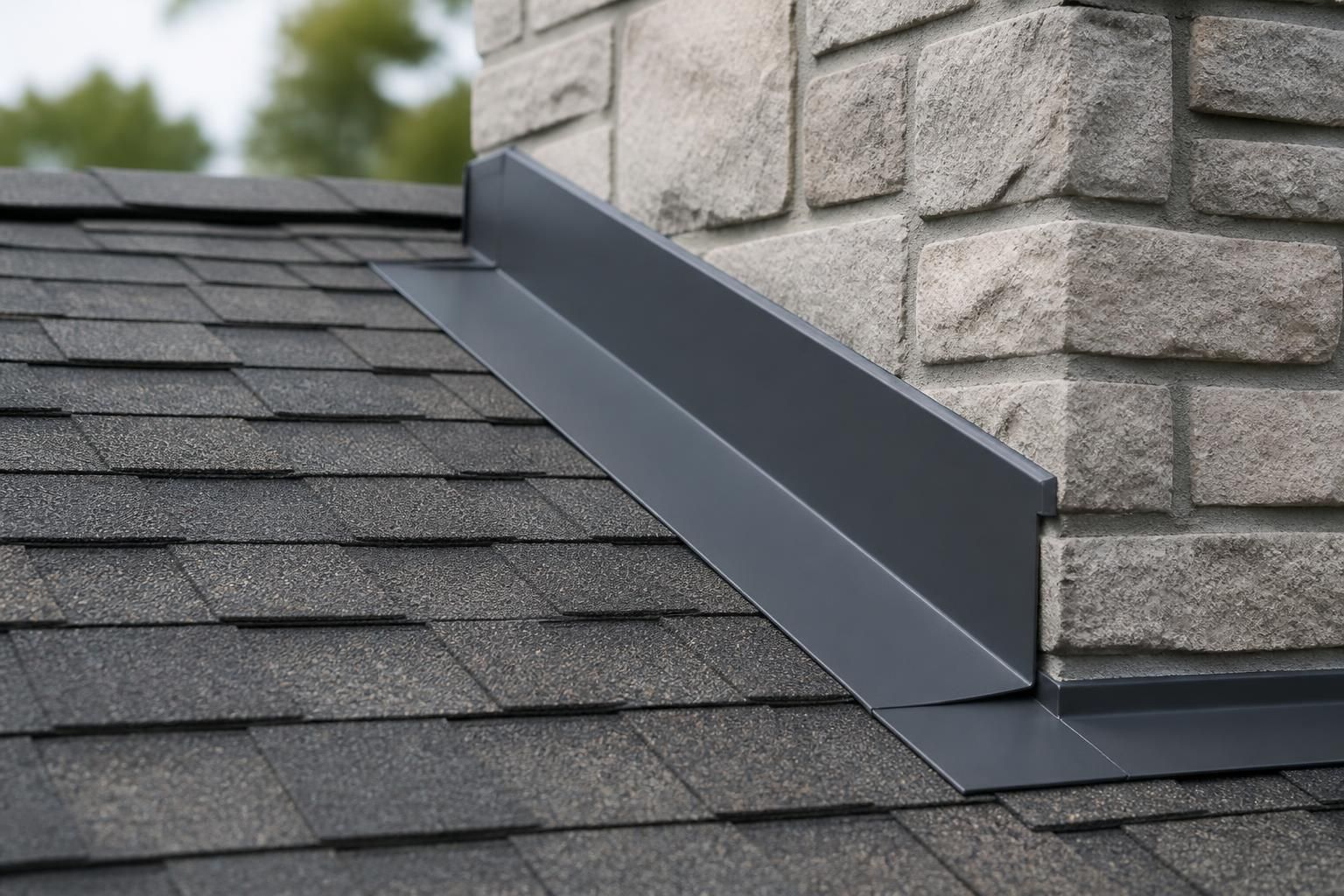
Flashing is the thin metal barrier used where different roof sections meet or where something passes through the roof. It directs water away from joints that are naturally more vulnerable than open roof surfaces. When that barrier wears out, even a roof that looks fine from the ground can start letting moisture move into hidden areas.
Common failure points often show up around:
- Chimneys
- Skylights
- Pipe penetrations
- Roof valleys
- Wall intersections
- Vent openings
- Drip edge edges and perimeter transitions
We look for gaps, cracked sealant, lifted metal, corrosion, and fasteners that no longer hold. These are the kinds of details that can turn a small opening into a larger repair if they are left alone.
Signs to watch
Roof flashing trouble does not always show up as a dramatic leak. More often, it starts with subtle warning signs that homeowners notice after rain or during a quick attic check. If one of these signs appears, it is worth having the area inspected before water reaches framing, insulation, or interior finishes.
- Ceiling discolorationYellowing, brown rings, or faint shadowing near walls and ceilings can point to water sneaking past a roof joint.
- Moisture near penetrationsDampness around chimneys, vents, or skylights often means the flashing around that feature has loosened or split.
- Rust or lifting metalVisible corrosion, bent edges, or flashing pulling away from the roof surface are strong signs the barrier is no longer dependable.
- Sealant breakdownCracked, missing, or brittle sealant can leave fasteners and seams exposed to water.
- Shingle movement nearbyShingles that curl, shift, or break near a flashing area may signal that the surrounding roof materials are under strain.
Our replacement process
Flashing replacement should do more than cover a visible gap. It needs to tie into the rest of the roof system so water is directed away from the opening and not trapped behind it. We start by evaluating the surrounding shingles, underlayment, and decking to see whether the problem is isolated or tied to a broader roof issue.
Inspection and removal
First, we inspect the area, identify the failed flashing, and remove the damaged metal and surrounding materials that need to be reset. If the wood beneath has signs of damage, we address that before new flashing goes in place.
New flashing installation
Next, we fit replacement flashing to match the roof detail. That may include step flashing, valley flashing, pipe boot flashing, or metal pieces used at wall transitions and roof edges. The new material is secured and integrated with adjacent roofing components so water can move away from the vulnerable seam.
Finishing details
We complete the work with sealing, surface cleanup, and a final review of the repaired area. The goal is a clean transition that blends with the roof and stands up to regular weather exposure.
Materials we replace
Not every flashing repair involves the same parts. The exact replacement depends on where the failure occurs and how the roof was built. During service, we may replace one section or several related pieces to restore the protection around the problem area.
- Step flashing along roof-to-wall joints
- Chimney flashing and counterflashing
- Pipe boot and penetration flashing
- Skylight edge flashing
- Valley metal
- Drip edge sections
- Transition flashing at roof changes
Each of these components has a different role, but they all do the same essential job: keep water moving away from seams that are more exposed than the rest of the roof.
Why timely repair matters
Flashing problems rarely stay confined to one small spot. Once water finds a path, it can reach decking, insulation, drywall, and framing. The longer the opening remains, the more likely it is that the repair will need to address more than the flashing itself.
Handling flashing replacement at the right time helps reduce the chance of hidden moisture damage and keeps surrounding roof materials from wearing out sooner than they should. It can also help your roof shed water more reliably around areas that are naturally more complex, such as wall intersections and roof penetrations.
For homeowners in Albany, Oregon, this matters because exposed roof details handle a lot of stress over time. When flashing is sound, those details are much less likely to become weak spots.
What homeowners notice
Many people call after they spot an interior stain, but other roof clues often appear first. If you know what to look for, you can catch flashing failure earlier and avoid extra repair work.
- Drips or damp spots after rain
- Peeling paint near a ceiling line
- Musty smell in upper rooms or attic spaces
- Visible gaps where roofing meets a wall or chimney
- Loose metal around roof edges or vents
If you are seeing one or more of these signs, a replacement may be more effective than trying to reseal the area again and again.
Albany roof details
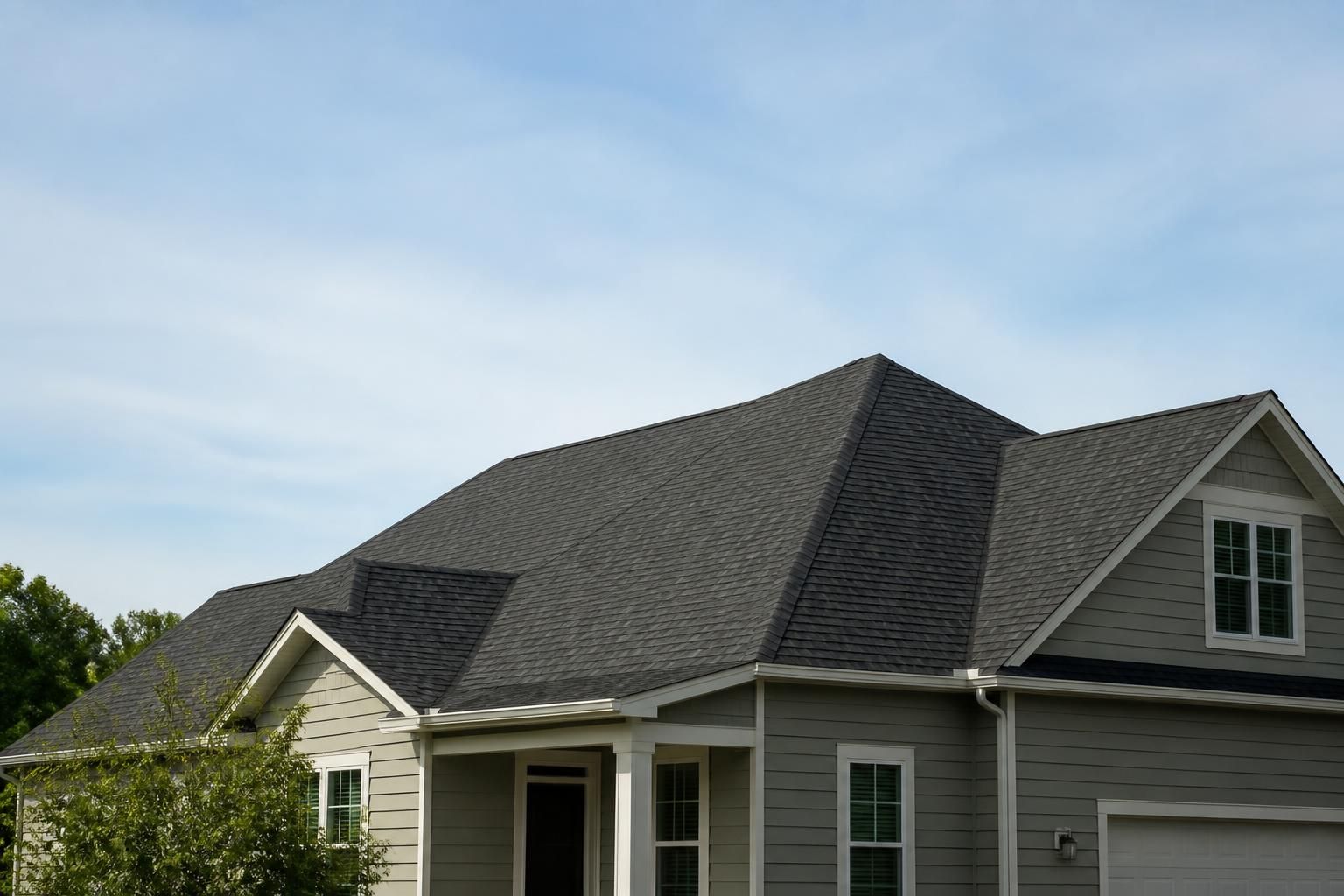
Roof flashing replacement works best when it is matched to the shape, pitch, and layout of the roof. Homes across Albany, Oregon can have different roof transitions, vent layouts, and edge details, so the right repair starts with a close look at the actual conditions on your roof rather than a one-size-fits-all approach.
Affordable Roof Replacement In Albany serves Albany and nearby Linn County communities with flashing replacement that supports the rest of the roofing system. Whether the issue is around a chimney, a skylight, or a smaller penetration, we focus on the exact area where water is trying to enter and replace the metal that should be keeping it out.
Common questions
How do I know flashing needs replacement?
Visible rust, loose metal, cracked sealant, and leaks near roof joints are common signs. Interior staining around chimneys, vents, or walls can also point to flashing failure.
Can flashing be replaced without a full roof replacement?
Yes. If the surrounding roof materials are still serviceable, flashing can often be replaced as a targeted repair. We evaluate the nearby shingles, decking, and underlayment before recommending the next step.
What areas of the roof use flashing?
Flashing is used around chimneys, skylights, vents, pipe penetrations, valleys, roof edges, and places where the roof meets a wall or another surface.
Why does old sealant not hold up?
Sealant can dry out, crack, or separate from the surface over time. Once that happens, it no longer blocks water the way it should, especially around seams that move with temperature changes.
Will replacing one section help if the leak is small?
Often, yes. A small leak can still come from a very specific flashing failure. Replacing the affected piece and checking nearby materials can stop the problem at its source.
How long does a flashing repair usually take?
That depends on the location of the damage and how much surrounding material must be removed and reset. Simple repairs take less time than larger transition areas or flashing tied to multiple roof surfaces.
Schedule service
If you suspect flashing damage on your roof, getting it checked sooner is the smart move. A small seam problem can spread water far beyond the visible opening, and the right replacement can keep the damage from moving deeper into the roof structure.
Reach out to
Affordable Roof Replacement In Albany for flashing replacement service in Albany, Oregon and surrounding service areas. Call
+15412551041 or email
randy@agentboomer.com to get started.