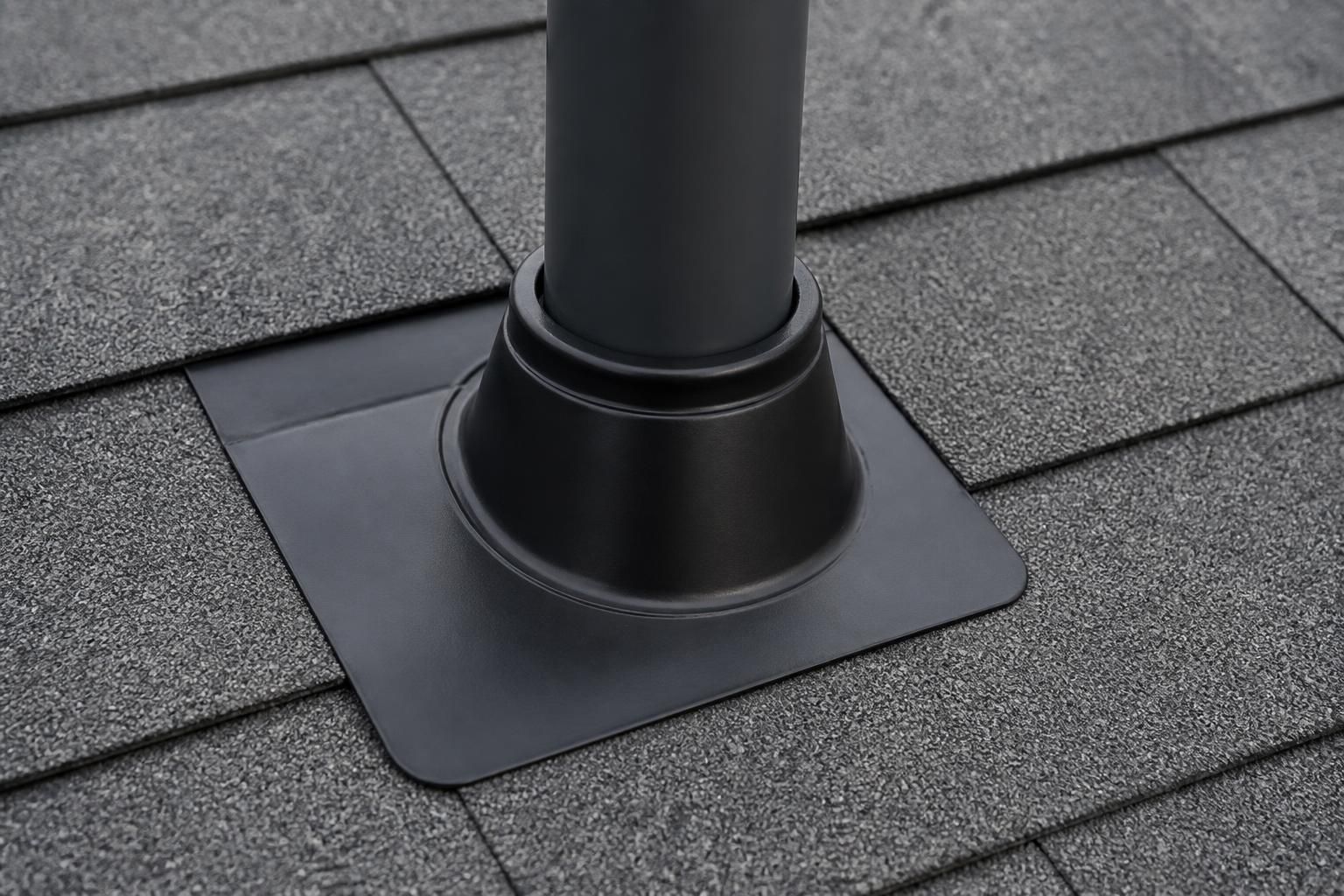
A damp ceiling spot near a vent pipe, a musty attic smell, or staining around roof fixtures usually points to a small opening that is letting water reach the roof layers. When pipe boots wear out or a roof penetration loses its seal, the problem can start quietly and spread before you notice much more than a dark ring on the drywall.
If that sounds familiar,
Affordable Roof Replacement In Albany can inspect the roof penetration, check the boot condition, and seal the vulnerable areas before the leak grows into bigger damage. Homeowners across Albany, Oregon often call after seeing cracked rubber, lifted flashing edges, or water trails near pipes, vents, and other roof openings.
Signs to watch
Pipe boots and other roof penetrations are small parts of the roofing system, but they sit at some of the most exposed spots on the roof. When they start to fail, the first clues are often subtle. Catching them early can help limit damage to decking, insulation, and interior finishes.
- Discolored ceilings: Water may travel from the roof opening to a spot that appears far from the actual source.
- Cracked or split boot material: Rubber or similar flashing materials can dry out and open at the base or around the pipe.
- Loose sealant: Old caulk or sealant can separate from the pipe, flashing, or surrounding roofing material.
- Rust or staining: Metal components near penetrations may show signs of water exposure.
- Interior odors: Moisture around a roof opening can create a persistent damp smell indoors.
- Visible gaps: Any opening where the roof meets a vent pipe or penetration deserves attention.
These warning signs do not always mean the whole roof needs replacement, but they do mean the penetration needs a close look. A targeted repair can often restore the seal around the problem area and help protect the rest of the roof system.
What we inspect
Pipe boots and penetration sealing work is not just about spreading sealant over a visible crack. A careful inspection looks at the full area around the pipe, the surrounding shingles or roofing material, and the way water is likely to move across the roof surface.
Boot condition
We look for cracking, brittleness, missing sections, and separation where the boot meets the pipe or roof surface. Even a small split can let water run underneath during rain.
Flashing and edges
Penetrations often rely on nearby flashing to guide water away from openings. If flashing is lifted, bent, or loose, we check whether sealing, replacement, or additional repair is needed.
Roof surface around the opening
We examine the surrounding shingles or roof material for wear, nail exposure, and other signs that water may be entering near the penetration rather than through the pipe boot alone.
At Affordable Roof Replacement In Albany, the goal is to find the real source of the leak path, not just the most visible stain. That helps us focus the repair where it matters most.
How sealing works
Every roof penetration is a place where the roof has been intentionally opened for a vent pipe, pipe chase, or similar fixture. Because those points interrupt the roof plane, they need a tight weather barrier that stays dependable as materials age.
- Clean the area: We remove loose debris, worn material, and anything that keeps the seal from bonding to the roof surface.
- Check the boot or flashing: If the penetration component is too worn for sealing alone, it may need replacement as part of the repair.
- Seal vulnerable edges: We apply sealant where the material meets the pipe and surrounding roofing layers.
- Reinforce exposed seams: Any seam or transition that could admit water gets close attention.
- Confirm water path control: The repair should encourage runoff away from the opening rather than toward it.
Some penetrations only need a fresh seal at stress points. Others need more involved work if the boot has aged beyond what a surface seal can solve. We explain what we find and what the repair will address before work moves forward.
Common repair needs
Different roof systems can show different wear patterns at penetrations, but the needs are often similar. The weak point is usually the transition between rigid pipe material and the roofing surface, especially when heat, movement, or age has stressed the seal.
- Resealing a boot base: Useful when the main boot material is still serviceable but the lower edge has loosened.
- Replacing worn boot material: Needed when the boot itself has split, shrunk, or deteriorated.
- Flashing touch-up: Helps when the nearby metal or surrounding transition needs support.
- Penetration cleanup: Removes failed sealant or debris that can block a new bond.
- Minor roof material repair: Addresses nearby wear that could weaken the area around the pipe opening.
Not every penetration issue looks dramatic from the ground. A small failure at one vent pipe can still create enough water entry to damage nearby roof layers over time. That is why close inspection matters before deciding on the repair method.
Our process
Homeowners often want to know what happens once the roof is checked and the leak source seems to be around a pipe boot or roof penetration. We keep the process clear and direct so you know what is being done and why.
Inspection first
We start by examining the roof penetration, the surrounding surface, and any visible signs inside the home that help point to the entry point. If the evidence suggests the issue is at a pipe boot, we focus there.
Targeted repair
After the problem area is identified, we seal the penetration using materials and methods suited to the condition of the roof components. If a boot is too damaged for sealing alone, replacement may be the more practical path.
Cleanup and review
Once the work is complete, we clean the area and review the finished penetration so you know what was repaired and what to keep an eye on going forward.
This approach helps avoid guesswork. Instead of covering a stain and hoping the leak is gone, we address the penetration itself and the transitions around it.
Why timely repair matters
A roof penetration is a small opening, but water does not need a large gap to create trouble. Once moisture gets past the roof surface, it can affect the layers below and move into areas that are harder to see.
Timely pipe boot and penetration sealing can help limit damage to insulation, roof decking, and interior finishes. It can also reduce the chance that a minor roof issue becomes a larger repair later. For homeowners in Albany, Oregon, that often means taking action as soon as a stain, crack, or lifted edge appears.
It also helps protect the rest of the roof system. When a single penetration is sealed well, nearby materials are less likely to stay damp or wear faster because of repeated water entry.
What we seal
Roof penetrations come in a few forms, and each one depends on a tight transition where the opening passes through the roof surface. Our pipe boots and penetration sealing service focuses on the areas most likely to let water through.
- Vent pipes
- Pipe boots
- Roof pipe penetrations
- Flashing edges around penetrations
- Transition seams at the roof surface
- Exposed openings with worn sealant
If the roof opening is part of a larger wear pattern, we look at the surrounding area too. That way the repair supports the full transition instead of only one visible edge.
Common questions
How do I know the leak is from a pipe boot?
Look for staining near a vent pipe, dampness around the attic side of the penetration, or cracked material at the roof opening. Because water can travel, a close roof inspection is the safest way to confirm the source.
Can a boot be sealed without replacing it?
Sometimes yes. If the boot is still sound but the seam or edge has opened, targeted sealing may solve the problem. If the material is brittle or split, replacement is often the better choice.
What causes a penetration seal to fail?
Age, sun exposure, movement at the pipe, loose edges, and wear around the roof surface can all break down the seal. Even a well-installed penetration can need attention after enough time.
Should I wait if the stain is small?
Small stains can still mean water is entering the roof layers. The visible mark may stay small while hidden damage spreads, so it is smart to have the area checked sooner rather than later.
Does one bad boot mean the whole roof is failing?
No. A single damaged pipe boot can be an isolated problem. The roof may still have many good years left, but that penetration should be sealed before more moisture gets through.
How long does the inspection take?
The time depends on roof access, the number of penetrations being checked, and how much wear is visible. The main goal is to identify the source accurately and decide whether sealing or replacement is needed.
Call for a check
If you have seen staining, cracking, or loose sealant around a roof pipe, now is the time to have it looked at.
Affordable Roof Replacement In Albany provides pipe boots and penetration sealing for homeowners who want a direct repair that addresses the source, not just the symptom.
Call
+15412551041 or email
randy@agentboomer.com to schedule service for your home in Albany, Oregon or the surrounding area. A careful roof penetration repair today can help prevent a much larger repair later.